

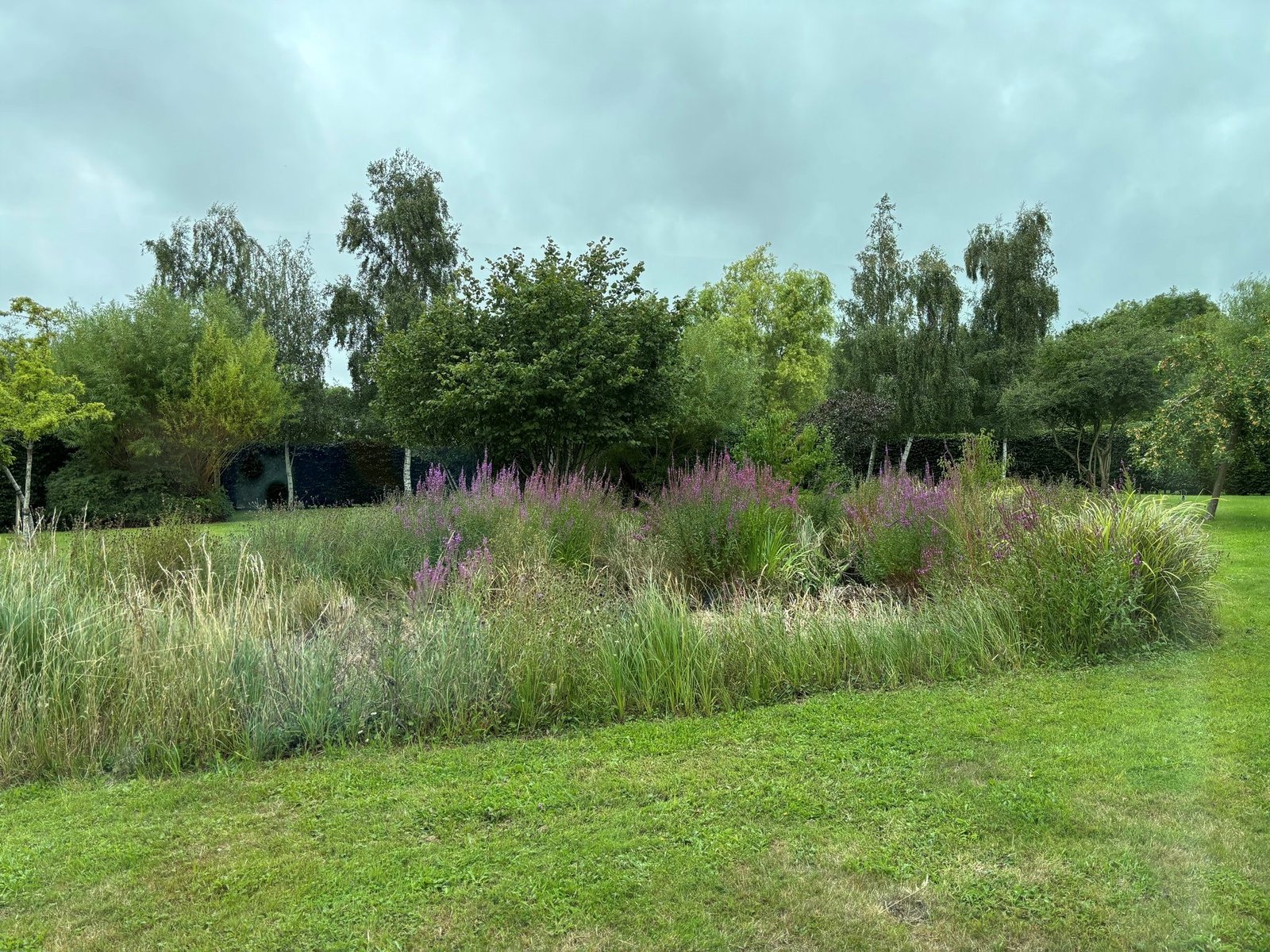
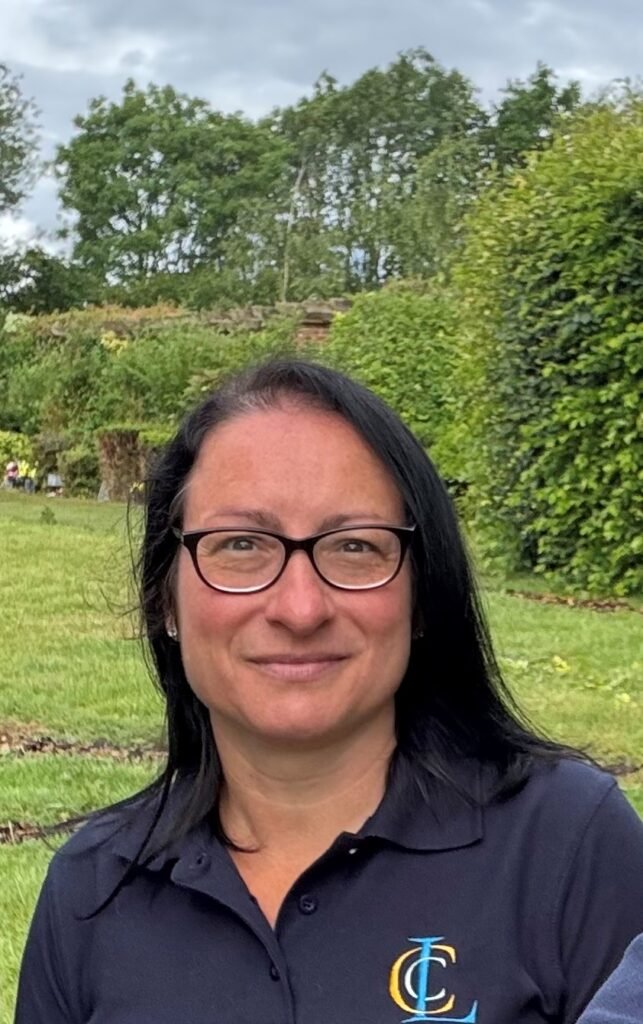
Nina Leonelli, general manager at the Garden of England Crematorium, says small steps build into great outcomes when it comes to caring for the environment
We’re all green now, aren’t we? No one (with any sense) would dare say otherwise; not out loud at least. But the path to hell is paved with good intentions, and environmental considerations are often filtered through commercial and operational imperatives. Embracing sustainability doesn’t automatically mean spending more.
The crematorium I look after, one of the London Cremation Company’s (LCC) sites, has become a testbed for how environmental thinking can be woven into everyday management. We don’t treat it as a separate project but as part of normal operations, rooted in science, staff engagement, and incremental improvement. It’s about care, not just for the families we serve, but for the land itself.
When I joined here in March 2025, my goal was to explore just how far sustainability could be embedded.
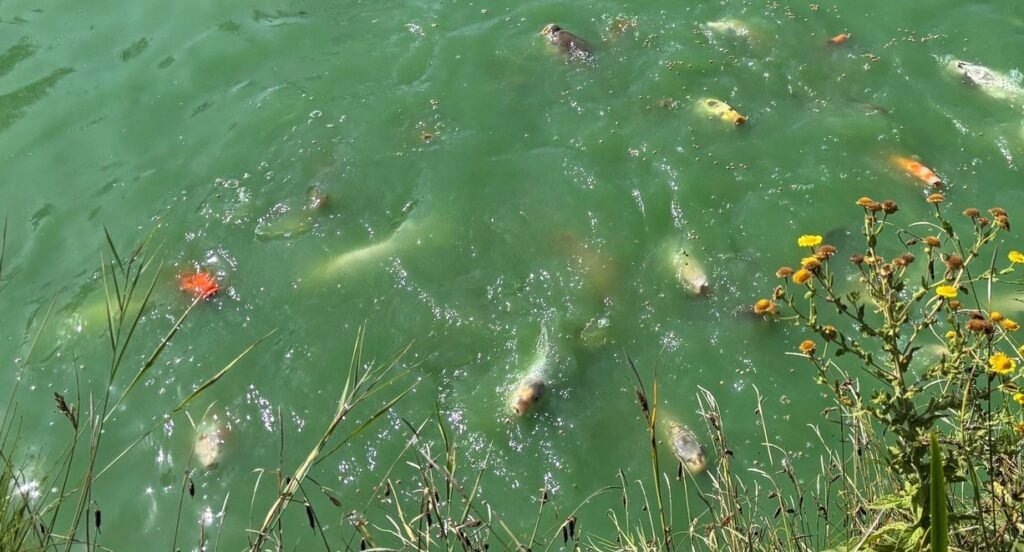
One of the first things I did was to engage Greener Globe to conduct a full audit of operations. The audit was more than just a badge. It provided a roadmap for change, guiding improvements in energy, waste management, soil chemistry, biodiversity, and memorial materials helping us to prioritise achievable changes while keeping sight of the bigger picture. The work now spans soil health, lake-water treatment, pollinator-friendly planting, and trials of water-based remains dispersal.
Back in 2019, when I was working at Beckenham Crematorium, I noticed the recurring issue of shrubs and plants struggling to survive in areas where cremated remains had been interred.
The only way to understand genuine environmental care is to test it, measure it and share what you learn. So, first step testing, which revealed the cause: high alkalinity and elevated sodium levels in ashes were disrupting soil health. We introduced Return to Nature (RTN) soil, a compost designed to rebalance pH and reduce sodium toxicity.
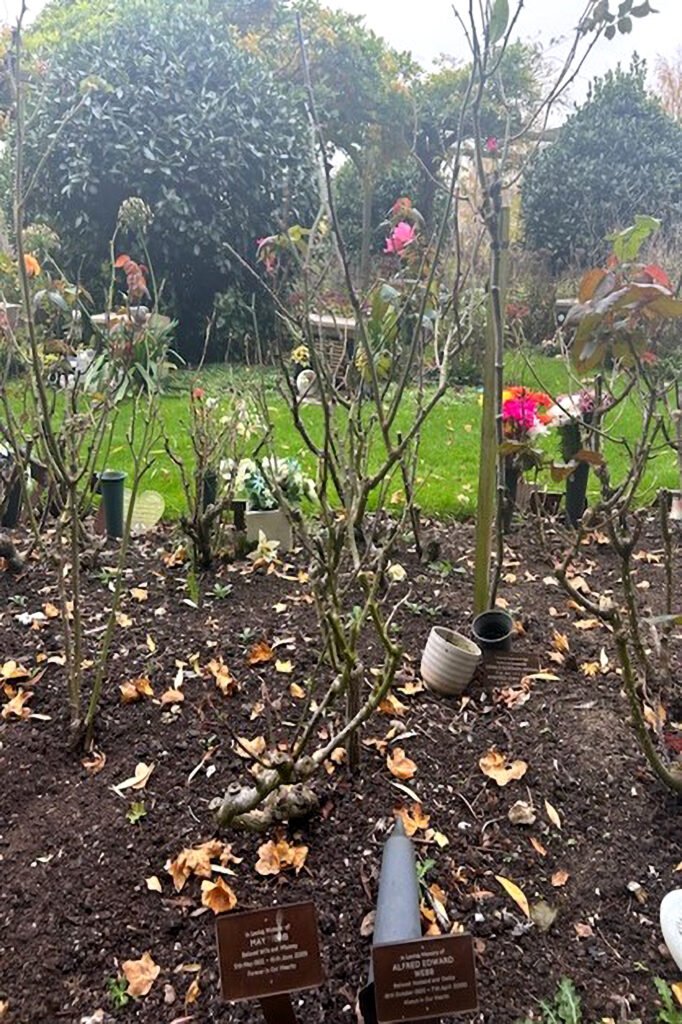
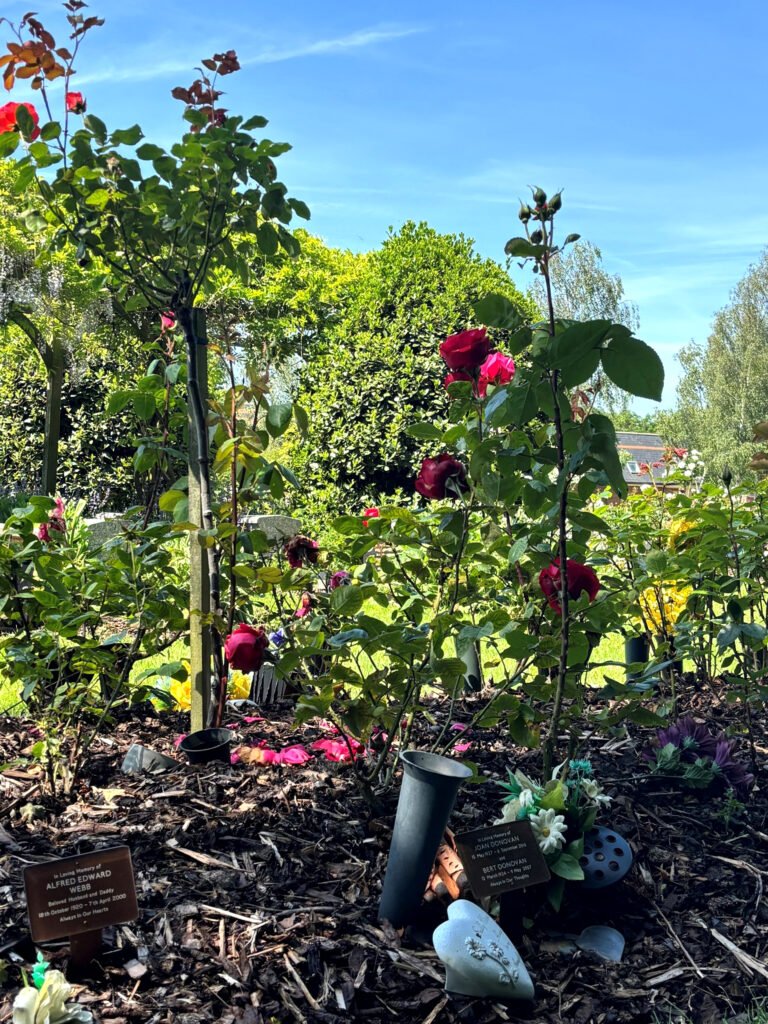
The results were striking. Plant health improved, soil vitality returned, and previously barren patches began to recover. It was a small change with a big impact, and it helped to shape my belief and determination that small steps can and do lead to great outcomes.
We recycle everything we can. Grass cuttings make excellent and free compost as do many floral tributes. A partnership with one local florist alone resulted in 14 large sacks of compostable material saved from wastage in just seven weeks. Results like these inspire confidence and encourage further collaborations.
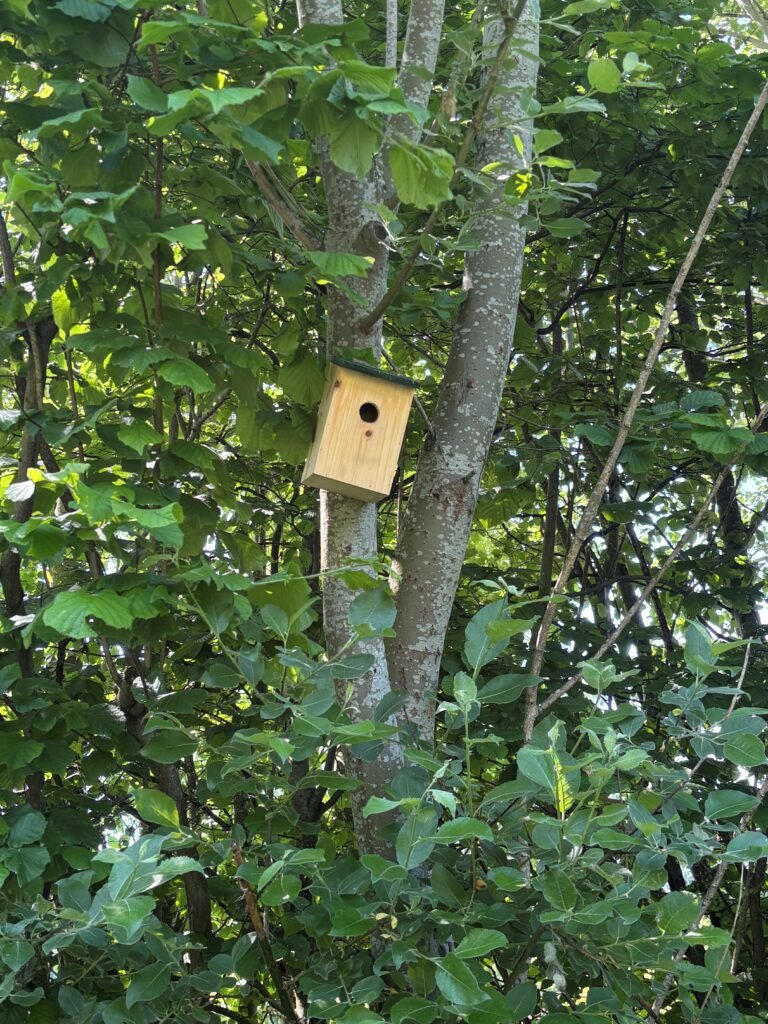
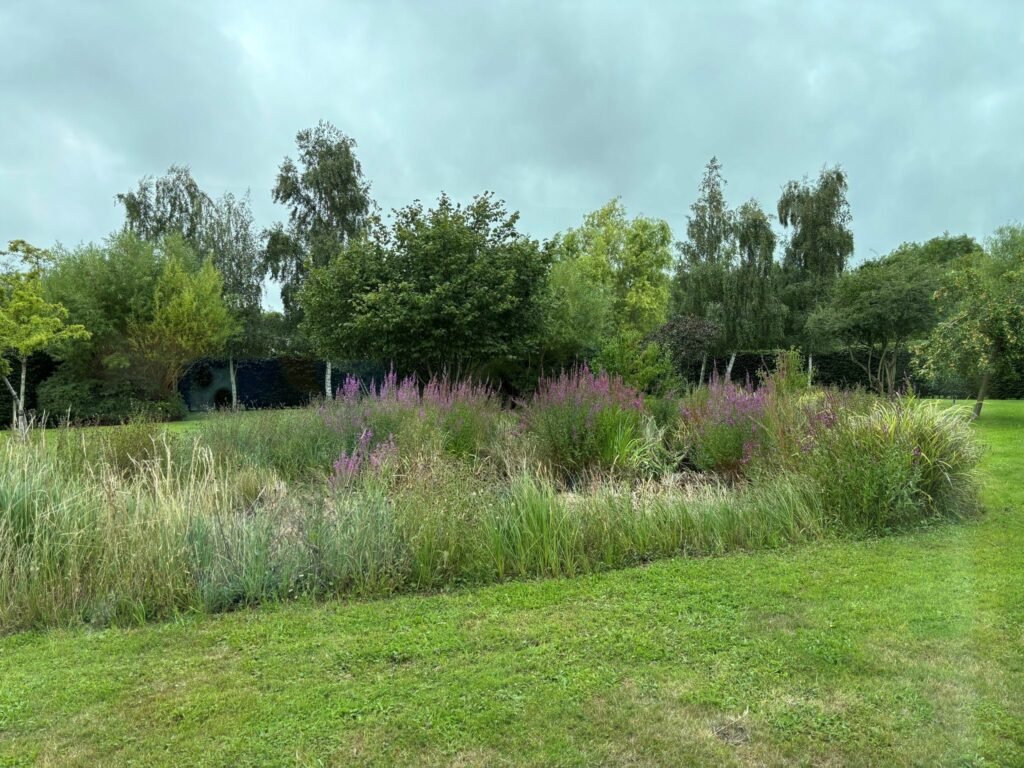
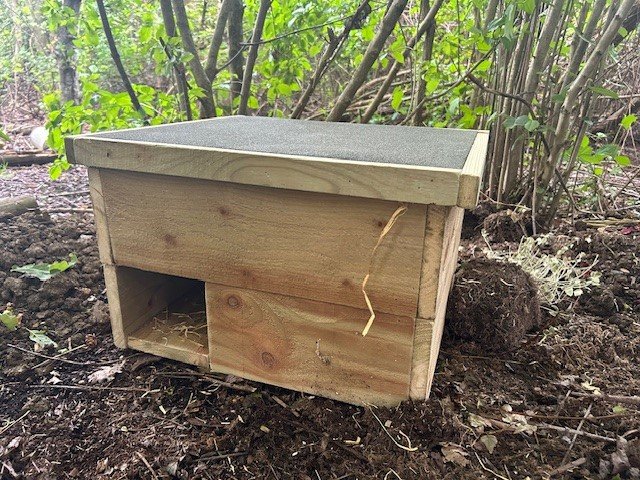
Wildlife initiatives are central, too: hedgehog and bug houses have been installed, while native wildflowers and pollinator-friendly planting bring life back to lawns and pathways. You can’t rebuild from scratch. So, you focus on small, meaningful changes that build over time. The work we’re doing with wildlife builds engagement with our local community and charitable partners and helps to bind us together internally too.
Sustainability isn’t a solo effort. LCC supports environmental projects across all its sites. Several have achieved Gold Greener Globe Awards, including Garden of England, Golders Green, Thames View and Banbury. I am proud to be a member of the Institute of Cemetery and Crematorium Management sustainability learning group, sharing insights and best practices nationally because the value is in the sharing. It’s about testing ideas, learning from each other, and moving forward together.
We work collaboratively with suppliers and are introducing sustainable above-ground interment options, featuring recycled materials and native tree planting. Families now have access to long-lasting, environmentally friendly memorials, while benefiting from durable, low-carbon alternatives to traditional materials.
Remembrance can coexist with environmental responsibility, but people won’t ask for these options until they know they exist. Our job isn’t just to follow what people want but to anticipate and lead. Gutenberg launched the printing press when fewer than 8% of people in Europe could read. The invention drove mass literacy and effectively created the reading public, which subsequently drove demand for print. My aim is to increase environmental literacy, promote sustainable choices and thus encourage demand.
Sustainability is not a fixed goal. Every site is different, every path, every timeline. Progress comes from curiosity, persistence, and communication, and at the risk of ripping off Tesco’s slogan, every little helps because every small change builds momentum.
Neither is sustainability just a technical or operational matter – it’s cultural.
Every decision we make here leaves a mark, on the landscape, on the wildlife, on the future. Our responsibility is to ensure that mark is a positive one. We can’t change how our buildings were originally designed, but we can change how they behave; that’s where the opportunity lies. And we can encourage everyone we work with – and I mean everyone – to contribute ideas and to try new things.
The industry is slowly moving away from carbon-intensive materials and nature-inhibiting practices. I have been involved in many projects regarding environmental changes, which led to fantastic results with the surrounding area and local biodiversity, including the wildlife.
For me, sustainability goes beyond emissions targets and regulatory compliance. It’s about rethinking established practices and introducing new approaches that enable more sustainable choices in every aspect of life. By working collaboratively as an industry, we have a real opportunity to minimise our environmental impact and create meaningful change that protects future generations. Every small step we take contributes to a much greater collective impact.