

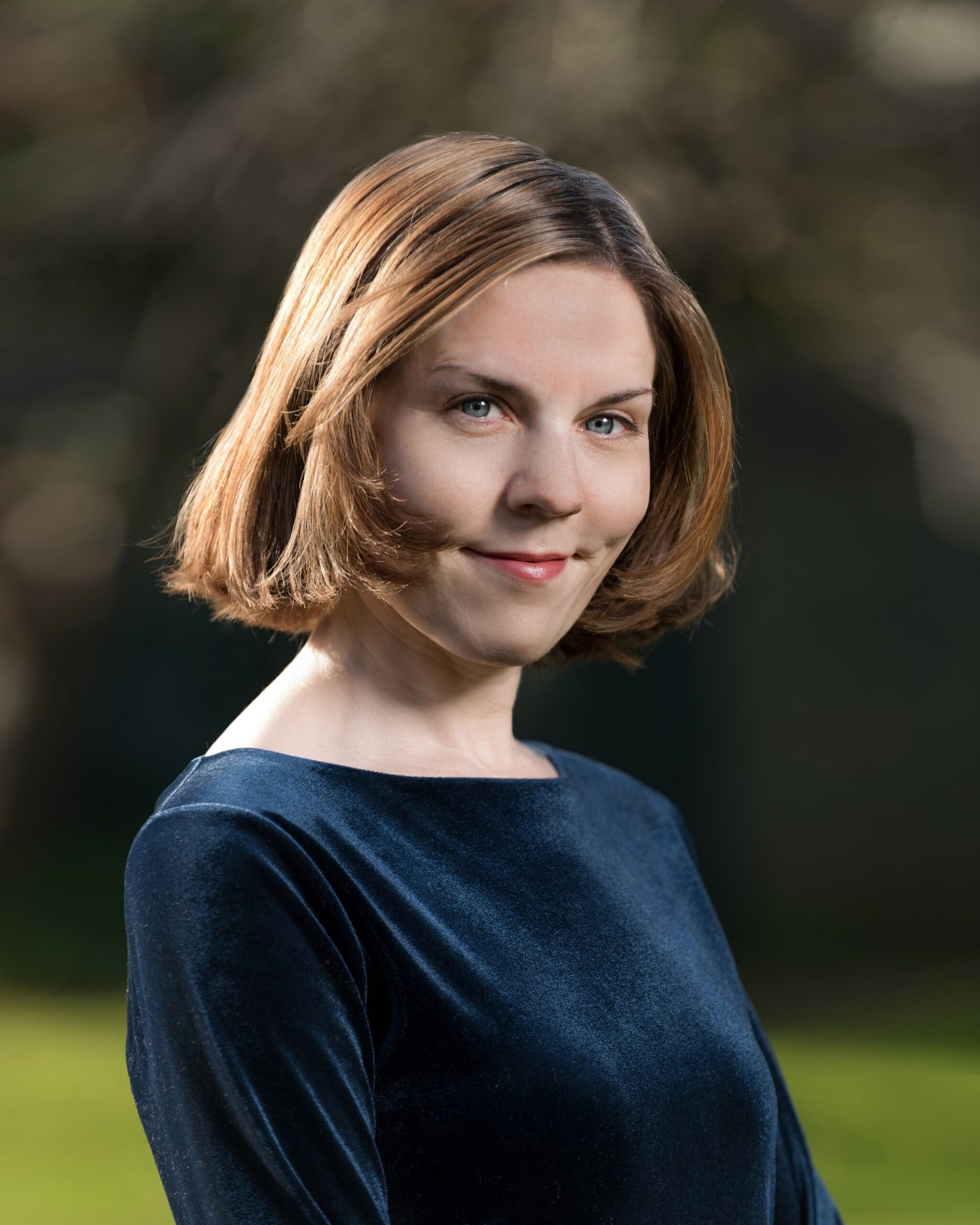
A day in the life of Evie King, lead officer for council funerals at Wealden District Council
At 8.30am I switch on the computer and watch seven email inboxes come to life. No two days are the same; my role covers everything from premises licences to public health funerals.
At the top of today’s inbox is an email from the local coroner’s office. A man has been in their care for 43 days and it’s now my responsibility to find any living relatives, friends or anyone willing to arrange his funeral.
I contact the tracing company we use, giving them details such as his name, date of birth and address. It feels a bit like the BBC programme Heir Hunters, although our aim is not inheritance, but ensuring someone is found who knew the deceased.
When there are no known relatives or nobody able to organise a funeral, the local council has a statutory duty under Section 46 of the Public Health (Control of Disease) Act 1984 to arrange a dignified burial or cremation, while respecting any known religious or personal wishes.
At 9.30am, I host a monthly online training session for the Institute of Cemetery and Crematorium Management for officers carrying out similar roles. Over the next three and a half hours we cover the practical and emotional realities of managing public health funerals. There’s always a strong sense that everyone wants to get it right.
After lunch, a colleague and I head to the local police station to collect house keys for man who died with no known next of kin. Once inside, we open windows and set about clearing out the fridge that has been off for at least two months, or whenever the electric meter stopped being fed – not a job for the faint-hearted! Then we begin the difficult task of searching for information that may help identify relatives or friends.
The house is packed with belongings. Newspapers from the 1980s, books and fishing equipment fill every room. House searches can feel like detective work as we try to piece together someone’s life from the things they leave behind. We will add the local anglers’ society to the list of people we’ll get in touch with, in case he has friends there.
An old passport reveals his middle name and place of birth, which I can pass to the tracing company. A neighbour tells us his wife died around nine years ago, and that they had two children together, suggesting there may still be family somewhere.
I photograph his CD collection so we have an idea of the music he liked if we eventually arrange his funeral ourselves. Over the next few days, I will work through his address book, contacting people in the hope that someone can help us build a picture of his life. Sometimes we find carefully organised paperwork containing exactly what we need. Other times, there is very little to go on.
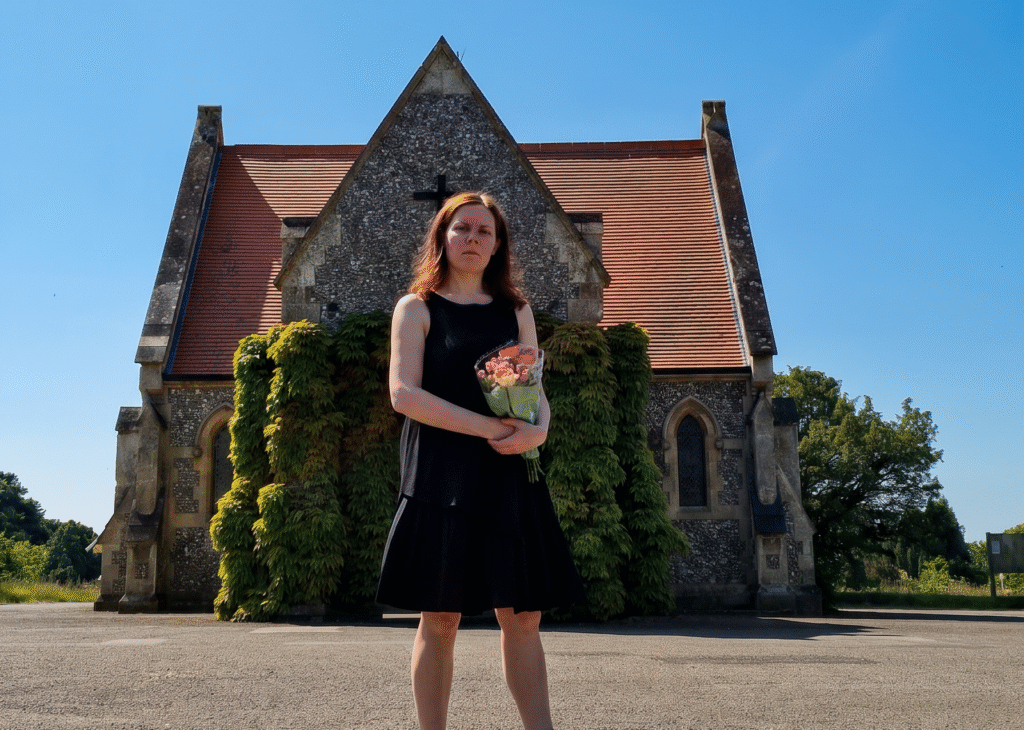
Back at the office, I swap paperwork for steel toe-capped boots and head to a scrapyard inspection. I look slightly ridiculous wearing them with the bright orange dress I chose today ahead of a Buddhist funeral later in the afternoon.
We usually carry out one or two public health funerals each month, but the investigative work we do means we successfully trace relatives in many cases before that stage is reached.
At 4pm, I arrive at the crematorium where a small group of neighbours and friends gather to say goodbye to the man whose funeral we are conducting. A Buddhist monk who knew him leads the service. Three quarters of an hour later, I return to the office to finish the day.
Before heading home, I issue an invoice to the bank of another deceased person so funeral costs can be recovered from their estate. I also arrange two appointments with the registrar to complete death registrations and obtain certified copies of death certificates for the relevant authorities.
It is rarely a straightforward role, but it is one built on dignity, persistence and the belief that everybody deserves to be treated with care after death, no matter their circumstances.