
In the concluding chapter charting your history and ours, funeral historian, researcher and former FSJ editor Brian Parsons charts the changes from the last 70 years
By 1956 The Undertakers’ Journal has been in existence for six decades, bringing news, articles and information to those engaged in all aspects of funerals. Ten years earlier it had been renamed Funeral Service Journal, a move that reflected the changed and increasingly changing scope of work of its readership. Wartime restrictions on paper had also introduced the A5 format.
The most dramatic changes in respect of funerals from the 1950s were the preference for cremation, along with the building of crematoria. In 1956, just over 26% of deaths were followed by cremation at the 99 crematoria in operation; ten years later the figures had jumped to 46% at 196 crematoria. Burials were finally overtaken in 1968, and cremations would continue to rise.
The desire to professionalise the occupation led to the launch of the Diploma in Funeral Directing in 1959,
based on a study course published by the National Association of Funeral Directors. Possession of this, along with membership of the British Institute of Embalmers, was regarded as the benchmark qualifications for any aspiring entrant to funeral service.
A further initiative by the NAFD was the launch of a Code of Practice for members in 1979. Cremation and the increase in responsibility for care of the deceased, including embalming and the use of chapels of rest, were the key developments in funeral service until the 1970s when the structure of the industry started to change. Like any other commercial enterprise, the sector has always seen firms open, expand, close, change ownership and trading identity.
However, the problem of succession in a family business and also the ability to adapt to changing local landscapes in terms of demographics resulted in independent businesses being open to acquisition. Kenyon Securities, Hodgson Holdings and the Great Southern Group all expanded through the purchase of
existing funeral businesses, with all three raising finance through stock market listing. Hodgson and Kenyon merged to form Plantsbrook Group PLC.
Then in August 1994 a predatory takeover of the Great Southern Group by SCI (Service Corporation International of Texas) was immediately followed by its purchase of Plantsbrook, creating an organisation with 520 branches. It was a development that prompted an investigation by the Monopolies and Mergers Commission, and the sale of a small number of branches, while also highlighting the issue of an existing
trading name being retained after sale to a large organisation.
This concentration brought the subject of pre-paid funeral plans sharply into focus as all funeral directors started to promote such schemes in an attempt to secure future market share. It was a combination of these developments that resulted in the founding of the National Society of Allied and Independent Funeral Directors (SAIF) whose membership embraced and represented firms not owned by a nationwide group.
Tensions between the large organisations and the independent sector, and between the trade associations was perceptively and often acidly commented upon in the FSJ by the anonymous ‘FD Forthright’. In tandem with structural changes within the industry, was the expression of concern over whether funerals were meeting the needs of the bereaved. A short religious service read by a rota minister unknown to the family and accompanied by organ or recorded music held in the crematorium chapel was increasingly viewed as inadequate.
The National Funerals College organised discussions between stakeholders including funeral directors, cemetery and crematorium managers, clergy, suppliers and the increasing number of non-religious celebrants. The college also stimulated dialogue through its Dead Citizen’s Charter. The Institute of Burial
and Cremation Administration (now the Institute of Cemetery and Crematorium Management) launched a similarly scoped Charter for the Bereaved. The Natural Death Centre reinforced the notion that a funeral director did not have to be engaged when arranging a funeral and offered copious advice on self-managed ceremonies in editions of its handbook.
The publicity following the death of Diana, Princess of Wales, in 1997 confirmed that funeral ceremonies
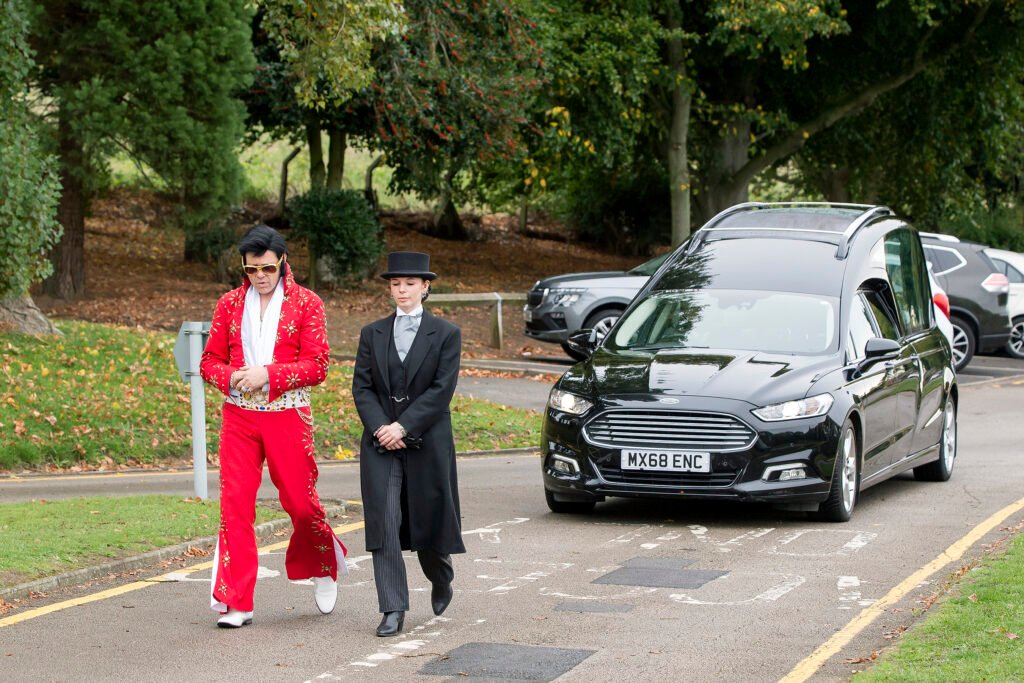
need not be conducted to a set format. Personalisation became the watchword, which resulted in all aspects of the ceremony changing. An increasing number of deceased would be dressed in their own clothing rather than a shroud. While the horse-drawn hearse had re-emerged in the early 1980s, other forms of funerary transport became available, including the motorcycle hearse.
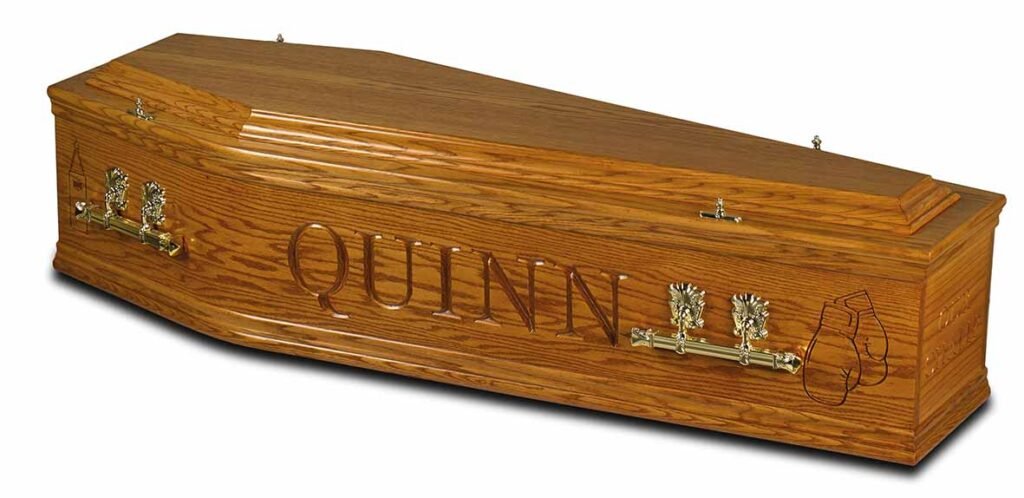
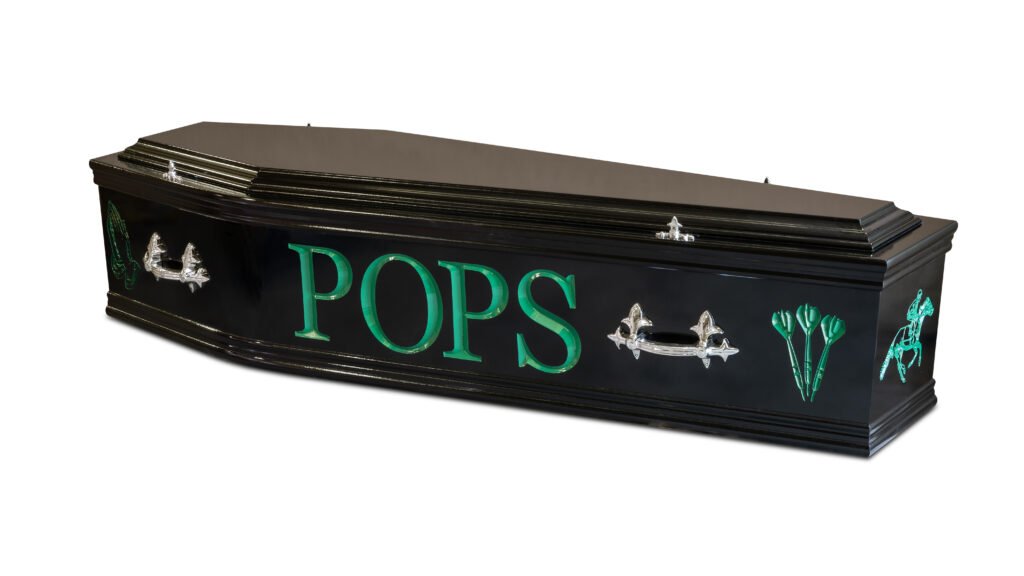
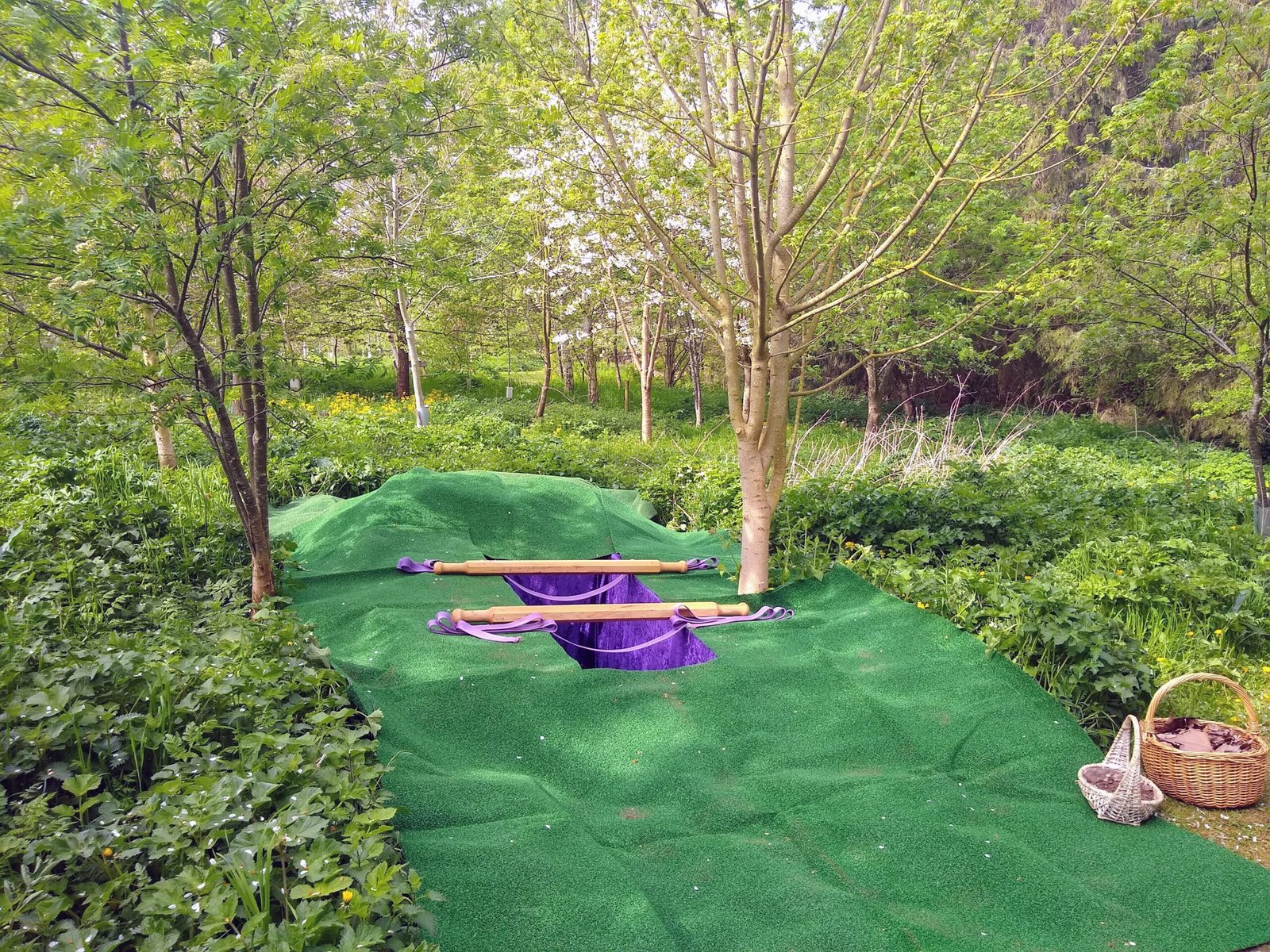
The Environmental Protection Act 1990 ushered in the requirement that emissions from crematoria be reduced; this presented an opportunity for the production of coffins constructed from a wide range of materials, such as MDF, wicker, cardboard and bamboo. The opening of woodland burial grounds from the 1980s onwards offered an alternative to burial in a traditional cemetery or churchyard. Single depth interment followed by the planting of a tree or shrub with only a wooden marker identifying the grave
chimed with the credentials of those concerned about the environmental impact of cremation.
Desire for this type of disposition had resulted in over 250 natural burial grounds now being established in the UK. By 1990, just under 70% of deaths were followed by cremation, and although the trend started to slow, the opening of new crematoria has continued unabated. There were 225 in operation that year; in 2024 there were 336 with further schemes in the pipeline.
Many built in this century have been by private companies, marking a shift away from local authority dominance. Increased provision has led to service times being extended to 40 minutes or one hour. In line with the personalisation of funerals is the fact that nearly 85% of ashes are now removed from crematoria for scattering elsewhere or retention at home. Novel opportunities for disposal have emerged, such as the creation of a diamond, encapsulation in a firework and deposit in space.

Burial has also come under the spotlight, with reports drawing attention to a shortage of space. London local authorities have been able to reclaim graves since the 1960s, while more recent legislation has permitted the reuse of graves by burying remains at a lower level or elsewhere in the cemetery. The plot is then sold for new interments. Cemetery managers have been adept at creating space. Furthermore, a small number of new cemeteries have opened throughout the UK.
Advances in technology and the arrival of the internet have impacted every strand of funeral service. This includes the manufacture of coffins, the computer engraving of nameplates, satellite navigation systems in hearses, music systems in crematoria, the webcasting of ceremonies, the production of orders of service and other printed material, the registration of deaths, the booking of funerals at crematoria, the distribution of information and funerals arranged with clients using Zoom.
Few funeral directors are now without a website. The increasing media attention afforded to the subject of death, funerals and the work of the funeral director over the last 30-plus years has been extraordinary. Coverage in newspapers, television documentaries, the appearance of books and academic studies has been extensive.
One recurring issue has been that of funeral costs, with reports being issued by the Office of Fair Trading, the Consumers’ Association, along with insurance companies such as Royal London and Sun Life. The internet has provided the opportunity for prices to be compared, just like any other significant purchase.
The Competition and Markets Authority undertook exhaustive research into the charges made by funeral directors and crematoria but stopped short of regulation in favour of requiring a standardised price list to be displayed in the window of premises.
The Covid-19 pandemic of 2020/21 brought abrupt changes to funerals. Funeral directors were classified
under the heading of ‘management of the dead’. Temporary mortuaries were constructed, numbers attending ceremonies were limited, crematoria extended their working day, and the restriction of services to clients were just some of the challenges encountered by funeral directors.
The mantra ‘Stay at home’ necessitated deaths to be registered on the phone or online, along with the emailing of documents. While the former was part of the emergency legislation that subsequently expired and has yet to be reintroduced, the latter has remained and has greatly assisted the streamlining of the certification system, particularly after September 2024 when the Medical Examiner system was rolled out for all deaths occurring in England and Wales, apart from those referred to the coroner.
Although funeral directors have always taken coffins to crematoria without mourners attending a ceremony (David Bowie was certainly not the first), the pandemic presented the opportunity for specialist companies to market this service as an alternative to all the ‘fuss’ and expense of a traditional funeral. Extensive TV advertising constantly reminds daytime viewers of a certain age how to minimise funerary expenditure through signing up to a plan. Reports have estimated how many direct cremations now take place, and while these could be disputed, many funeral directors report growing numbers, a move that impacts on the bottom line.
Funeral Service Journal has recorded all these changes within its pages in news, features, opinion pieces and also advertisements. Its broad brush approach has made it an encyclopaedic compendium of information with an unrivalled insight into contemporary funeral service. The green light has just been
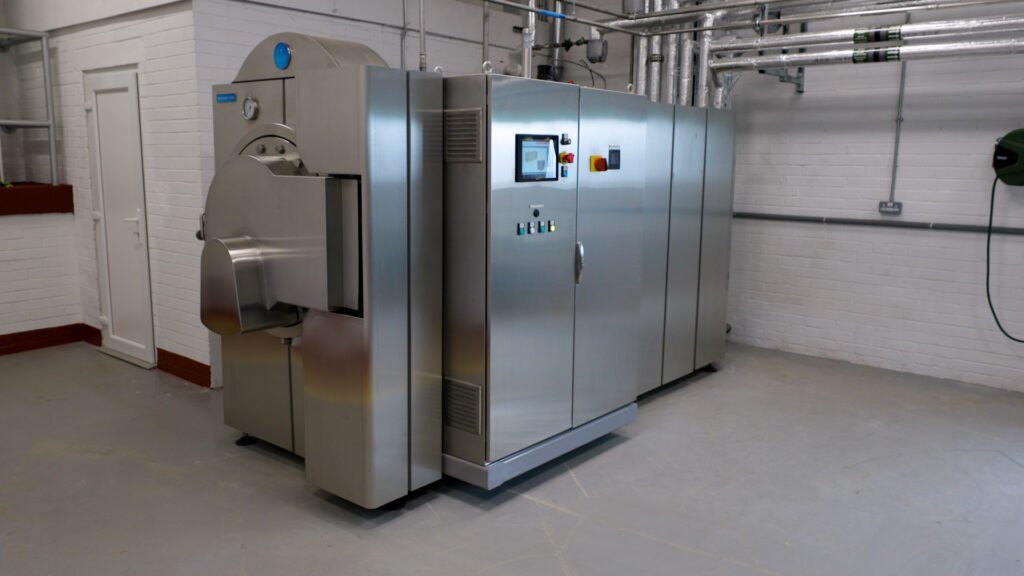
given to alkaline hydrolysis in Scotland. This radical way of dealing with the dead is as important to the industry today as cremation was in the 1880s. The latter was but one subject covered thoroughly over the years; the former is set to become the next significant development. It is but one of many subjects that
will continue to feature in the pages of FSJ over the years to come.