
Some argue there’s nothing black and white about environmentally friendly coffins. Ecoffins general manager Simon Howard says there’s much to be gained from adopting a ‘planet first’ strategy
Environmentally friendly coffins are gaining a much larger portion of the funeral market, mainly due to a big change in public knowledge. People are now more aware of what they want and, perhaps more importantly, aware they can choose what they want rather than just being told what is available. No doubt, this makes manufacturers of traditional coffins somewhat uneasy.
Environmental coffins, often referred to as eco-coffins, green coffins, or biodegradable caskets, represent a growing shift in the funeral industry toward sustainability. As awareness of ecological issues continues to
rise, many people are rethinking traditional burial practices, which often involve coffins with metal fixtures and fittings, chemical embalming, and concrete vaults.
These practices can have a long-term impact. Environmental coffins offer an alternative that supports natural decomposition, reduces carbon emissions, and encourages a more harmonious relationship with the Earth.
There are many factors involved in what constitutes an environmental coffin. The materials used, their
ecological benefits, how they are manufactured, sustainability of materials, CO2 footprint of manufacture for shipping and burial or cremation are all key factors.
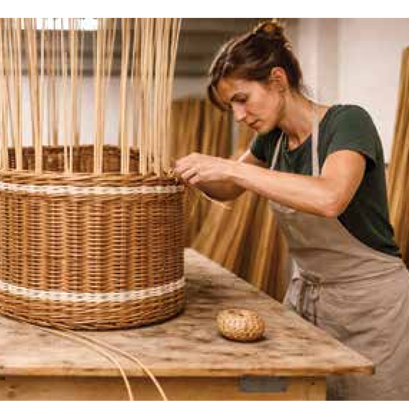
For instance, willow coffins can be made with nails and screws, and varnished, but they are also available without all this, but both come under the same broad heading, so it is important to know what you’re offering the families you serve. Handwoven willow coffins can come from Poland or China or as close as
Somerset in England.
A recent article argued that Life Cycle Assessments are a much better guide to environmental impact than looks alone (FSJ April 26), and green coffin makers like us agree. Just because something looks natural,
doesn’t make it good for the planet.
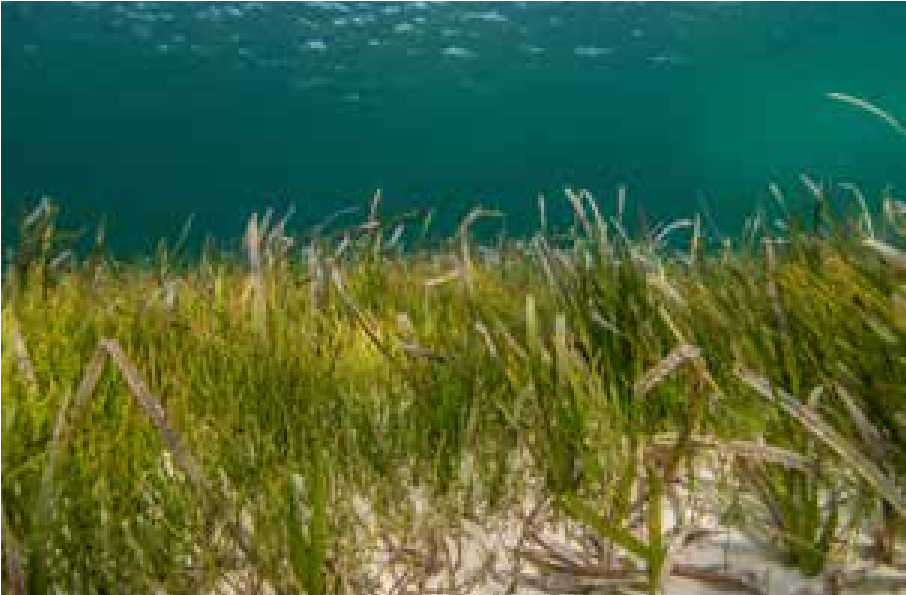
Seagrass coffins are called environmental but harvesting the seagrass causes major, irreparable damage to sea beds and marine life, and it takes years for it to be replenished, but not enough has been replanted to replace what has already been taken. And that’s before you take into account the fact 10% of the carbon buried in ocean sediment is absorbed by seagrass.
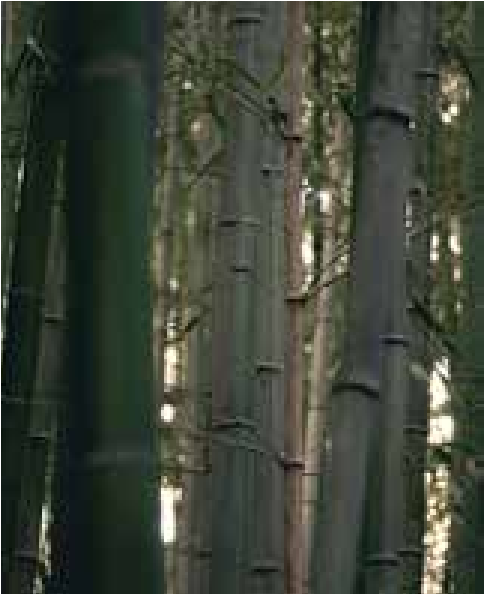
There are many other materials that are sustainable and have no impact on the areas they are harvested from because they grow back quickly with no damage to the environment they are taken from. Leaves from the banana plant can be woven into a rope that can then be woven around a frame for instance, or bamboo can be harvested and used to weave a coffin. Bamboo is one of the fastest growing plants on the planet and can grow up to a metre a day (and don’t worry about the pandas – they eat a different variety, so they won’t go hungry).
It has been said that shipping these coffins from China to England causes tonnes of carbon emissions, but containers can be filled to maximise efficiency and minimise impact. The coffins are packed like Russian dolls, with smaller coffins inside larger ones allowing over 120 coffins to be packed per 6.1m (20ft) container. That means that each coffin only creates the same environmental footprint as a car travelling a few miles.
The CO2 question is often raised but a test on a pandanus coffin carried out at Croydon crematorium (Davies & Co Engineering, 18th August 2010) gave a reading of 2.90mg/ Nm3c. It’s true that a particle board coffin causes less CO2 at this stage, but what about all the manufacturing impact – the processes, the glues and the energy used by them and the factory and warehouse at which it is made and stored? Contrast that with a coffin that is handwoven in a room in someone’s house by one person with no machinery running. This has not been calculated to my knowledge.
Fairtrade is another element worth considering when you’re advising a family. Fairtrade coffins ensure people are paid a fair wage for their work, providing them with an income and keeping centuries-old
skills alive. That’s a powerful motivator for some people.
Unfortunately, we will never be able to produce these beautiful woven coffins for the same price as woodchip/MDF panel coffin with a nice veneer finish. But ask yourself this: what would your children or your grandchildren prefer you to sell? I bet they’d say what is better for the planet because they care more about the environmental cost than the monetary one.
Our children and our children’s children will know the true cost of the choices we make and encourage others to make now because they will inherit whatever we do to the Earth itself.
An environmental coffin must be made with no detrimental impact to the area it comes from, manufactured responsibly, leave no chemicals or lasting foreign objects in the ground and free of harsh glues so that if it is burnt, it doesn’t clog up crematoria filter systems.
Many will talk a good fight about how environmentally friendly their products and practices are, the sustainability of the materials, how they mitigate ecological impact and offset carbon, but harsh realities remain.
This is not about protecting market share – it’s about protecting the planet for future generations while laying those who have passed to rest.